


100% Pasture Fed, Farmed the Regenerative Way
We provide Pasture for Life Certified beef and lamb, a product that's as good for the planet as it is for you.
WHAT WE RAISE
Integrating livestock is key to improving soil health and profitability across our arable enterprises.
Beef Cattle
100% Pasture Fed
Lamb
100% Pasture Fed
Pork
Pasture-raised, never confined
Chicken
Coming soon
WHY CHOOSE OUR BEEF & LAMB
Pasture-raised beef and lamb is not only better for the environment but also better for your health. Pasture-fed beef and lamb has been proven to be higher in beneficial nutrients, including omega-3 fatty acids, conjugated linoleic acid (CLA), and vitamins A and E. These nutrients are linked to better heart health, reduced inflammation, and improved overall wellness.
By choosing pasture-fed beef and lamb, you’re supporting farming methods that are better for the environment. Grazing on natural pastures helps maintain healthy soils, reduces the need for artificial fertilisers, and supports biodiversity. Pasture-raised cattle and sheep also contribute to carbon sequestration, absorbing more CO2 from the atmosphere than they produce.
We are deeply committed to the highest standards of animal care. Our cattle and sheep are raised in stress-free environments. The Pasture for Life Certification guarantees that our cattle and sheep are grazed on a natural, varied diet which not only supports the health and well-being of our cattle and sheep but also contributes to more flavourful, nutritious beef and lamb—packed with the goodness that comes from the land.
Our Journey
1830
First Records of the Proctor family farming at Gosberton, South Lincolinshire
1880
The Proctor family trading at London's premier wholesale market, Covent Garden
1929
The original Proctor Bros were John and Robin Proctor.
1964
Julian Proctor takes on the Lighthouse Farm tenancy from the Crown Estate.
1998
Stafford and Sue Proctor reintroduce cattle after 25 years ' and sheep after 50 years' absence.
2019
Introduce regenerative practices to improve soil health
2023
Start selling our produce direct


How It All Began
Since the Second World War, farmers have been incentivised to grow as much food as possible, as cheaply as possible, using manufactured inputs of fertiliser and pesticides. These farming practices have led to a decline in biodiversity and soil health.
At Lighthouse Farm we are trying to farm in a more regenerative way to improve soil health, and allow crops to grow with less purchased inputs. To help with this we direct-drilled our first crops in October 2019. This was the start of our move away from intensive plough-based cultivations to minimum or no tillage.
We use catch and cover crops, and herbal leys, as well as the livestock that graze them, to build organic matter. These regenerative practices are improving nutrient cycling and animal and plant health, reducing reliance on artificial inputs. it's a type of mixed farming practiced by our grandparents and their fore-fathers.
Meet the Family
-
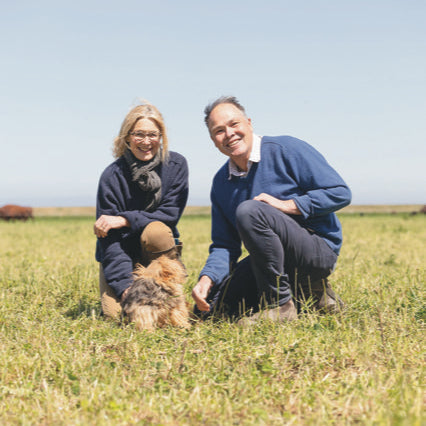
Stafford and Sue Proctor
Farmers
-
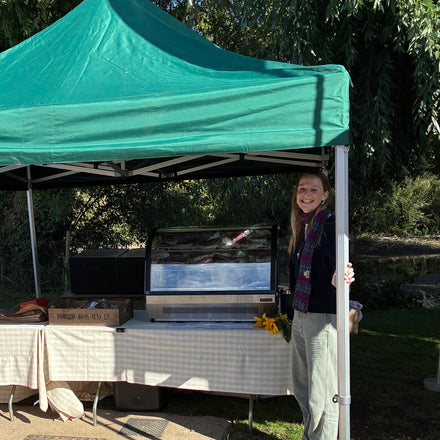
Daisy Proctor
Occasionally there to help
-
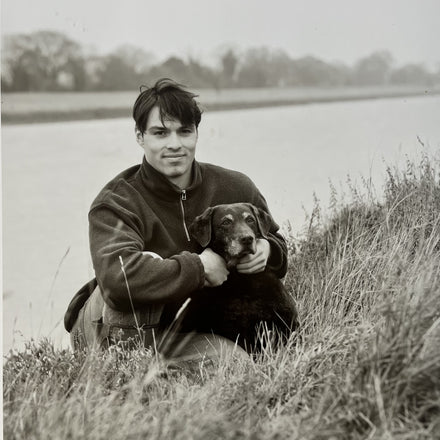
Archie Proctor
Sometimes there to help
-

Beatle, Bumble and Bea
Support Role

HOW WE WORK WITH NATURE
Our livestock graze permanent pastures and legume rich herbal leys within the arable rotation. Their grazing helps regenerate the land faster because they add fertility and organic matter to the soils.
Rotational or mob grazing matters. Moving livestock at least once a day not only gives them fresh grass - it allows us to drive the biology of the whole system. When pasture has time to recover, roots grow deeper. Deeper roots feed soil microbes, improve water retention, and support a wider diversity of plants. That plant diversity matters because the wider the range of plants cattle consume the wider the range of nutrients that directly influence the quality of the meat. Healthier plants create healthier animals and healthier animals create better food.
How we are improving our soil
Integration of livestock within the arable rotation
Minimising soil disturbance (cultivation) by direct drilling and low disturbance sub soiling
Protecting the soil surface with increased use of cover cropping, stubbles, and chopped straw
Maintaining living roots which feed the soil biology to better support plant nutrition
Increasing the diversity and range of crops grown within the rotation


CROPS & BIODIVERSITY
Biodiversity is at the heart of how we farm. Rather than relying on just one or two crops, we grow a wide variety suited to our soils and seasons. Across the farm you’ll find winter and spring wheat, oilseed rape, mustard, peas, beans, oats, barley, herbal leys, apples, and permanent pasture.
But it’s not just what we grow — it’s how we grow it. Many of our crops are planted alongside companion crops or understories, creating a more diverse and resilient ecosystem in the field. We also mix different crop varieties together to help crops support one another naturally, reducing the need for artificial inputs.
Sometimes we even grow two crops together in the same field — like wheat with beans, or beans with oats. These “bi-crops” grow side by side and are separated after harvest, bringing more life and diversity to the soil while producing great food.
Healthy soil is the foundation of everything we do, so we work hard to feed the biology underground too. When drilling crops, we add compost extracts and carbon sources to encourage a thriving soil ecosystem.
